main menu

revelus dermatology

4401 West Gate Blvd, Ste 120
Austin, TX, 78745
Phone: (512) 815-2559

search revelus

psoriasis

Dermatologist examining patient’s skin for psoriasis plaques
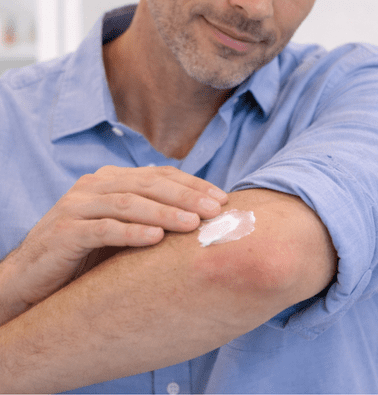
Close-up of psoriasis plaque with thick, scaly skin

psoriasis images

Diagnosis required by a licensed medical professional

Psoriasis is a chronic autoimmune skin condition that causes rapid skin cell turnover, which leads to thick, red, scaly patches that may itch, burn, or feel painful. While psoriasis is often visible on the skin, it is more than a surface condition. It stems from an overactive immune system and can be influenced by genetic factors, although it may also occur in people without family history.

Common triggers include stress, infections, skin injuries, weather changes, and certain medications. Plaque psoriasis, the most common form, can appear at any age and affects men and women equally. Because psoriasis is a systemic disease, it may also be associated with other health concerns such as psoriatic arthritis, cardiovascular disease, and metabolic conditions. In Austin and Central Texas, cl... More

Common triggers include stress, infections, skin injuries, weather changes, and certain medications. Plaque psoriasis, the most common form, can appear at any age and affects men and women equally. Because psoriasis is a systemic disease, it may also be associated with other health concerns such as psoriatic arthritis, cardiovascular disease, and metabolic conditions.

In Austin and Central Texas, climate shifts, environmental factors, and seasonal dryness may contribute to flare patterns, which is why many patients seek ongoing support to understand their triggers and manage symptoms over time.

At Revelus Dermatology in Austin, we emphasize accurate diagnosis and individualized treatment planning. Options may include topical therapies, light based treatments such as phototherapy and XTRAC laser, systemic medications, and biologics when appropriate. Each plan is guided by a board certified dermatologist with experience treating psoriasis in our region’s climate and diverse patient population. Our goal is to deliver evidence based care and compassionate support that helps you navigate psoriasis effectively and improve quality of life.

Dermatologist examining patient’s skin for psoriasis plaques

signs + symptoms of psoriasis

Early recognition is important for reducing severity and supporting long term management. The following characteristics can help patients identify common patterns of psoriasis.

key characteristics:

  • Appearance:
    Psoriasis causes patches of thick, red skin covered with silvery scale. These plaques can vary in size and may begin as small scaling spots. Symptoms may include dry or cracked skin that can bleed, persistent flaking, and thickened or ridged nails.

  • Location:
    Psoriasis frequently affects the scalp, knees, elbows and torso. It may also appear on the hands, feet, face and genitals. Lesions often appear on both sides of the body in a similar pattern.

  • Sensation:
    Affected areas may itch, burn or feel sore. Discomfort varies from mild to severe and may worsen with triggers such as stress, illness or rapid climate changes.

  • Evolution:
    Psoriasis can begin at any age, with common onset in early adulthood or later in life. The condition may remain mild or expand to involve larger areas. Flares can be unpredictable and often relate to stress, infections or certain medications. While psoriasis is chronic and has no cure, symptoms can improve significantly with appropriate treatment.

your skin, our priority

Remember, timely evaluation and diagnosis can make a difference. If you notice any changes in your skin, reach out to our team. Your skin’s health is our priority.

common psoriasis questions

FAQ
what is psoriasis?

Psoriasis is a chronic autoimmune condition that speeds up skin cell growth, creating thick, red, scaly patches. It commonly affects the scalp, elbows, knees and torso, but it can appear anywhere on the body.

what does psoriasis look like?

Psoriasis usually appears as red plaques covered with silvery scale. Skin may feel dry, cracked or sore, and nails can become thick, pitted or ridged.

what causes psoriasis flare ups?

Flare ups are often triggered by stress, infections, weather changes, skin injuries and certain medications. In Central Texas, rapid temperature shifts and seasonal dryness can also worsen symptoms.

is psoriasis contagious?

No. Psoriasis is not contagious and cannot be passed from person to person through touch or contact.

who is most at risk for psoriasis?

Anyone can develop psoriasis, but risk increases with family history, immune system conditions and certain environmental triggers. It commonly begins in early adulthood or later in life.

how is psoriasis diagnosed?

A dermatologist typically diagnoses psoriasis with a physical exam and medical history. A skin biopsy is only needed if the presentation is unusual or resembles other skin conditions.

how is psoriasis treated?

Treatment depends on severity and may include topical medications, oral medications, biologics, phototherapy or targeted laser treatments such as the XTRAC excimer laser. A dermatologist selects the safest and most effective approach based on individual needs.

can psoriasis be managed at home?

Mild symptoms may improve with moisturizers, gentle cleansers and over the counter products. Persistent or moderate symptoms need professional care to prevent worsening and to manage long term risks.

does psoriasis affect overall health?

Yes. Psoriasis is linked to conditions such as psoriatic arthritis, cardiovascular disease, metabolic syndrome and increased inflammation throughout the body. Regular dermatology follow up helps monitor these risks.

does psoriasis ever go away?

Psoriasis is lifelong, but symptoms can improve significantly or enter remission with treatment. Flares may return when triggers occur.

when should i see a dermatologist for psoriasis?

You should seek care if symptoms worsen, become painful, spread quickly, or do not improve with over the counter products. Dermatologists in Austin can provide treatment plans tailored to the local climate and your specific skin needs.

does psoriasis hurt?

Psoriasis can be itchy, sore or painful, especially when skin cracks or when plaques thicken. Some patients also experience joint pain from psoriatic arthritis.

the revelus commitment

Revelus Dermatology logo representing the practice’s brand identity
safety

Your health is our priority. We treat each condition with precision and adhere to the highest safety standards in every aspect of your care.

focus

We’re dedicated to you. We listen to your concerns and develop personalized treatment plans to address your skin condition with effective, patient-centered care.

experience

With extensive expertise, our team delivers comprehensive treatments designed to restore and maintain your skin’s health, ensuring the best possible outcomes.