














main menu

revelus dermatology

4401 West Gate Blvd, Ste 120
Austin, TX, 78745
Phone: (512) 815-2559

search revelus

Close

photofractional laser treatment in austin, tx

Photofractional laser treatment at Revelus Dermatology in Austin combines IPL photorejuvenation with non-ablative fractional laser resurfacing to improve tone, texture, fine lines, pigmentation, and visible skin imperfections. This combination approach targets both surface discoloration and deeper texture concerns in a single session, delivering gradual, natural-looking improvement. Because treated skin is sensitive to sun exposure before and after treatment, many patients start a series in the fall or winter.

Schedule a Consultation
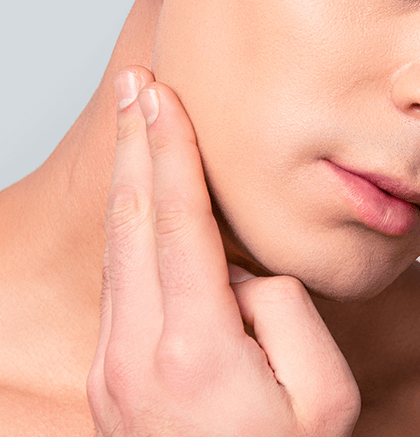
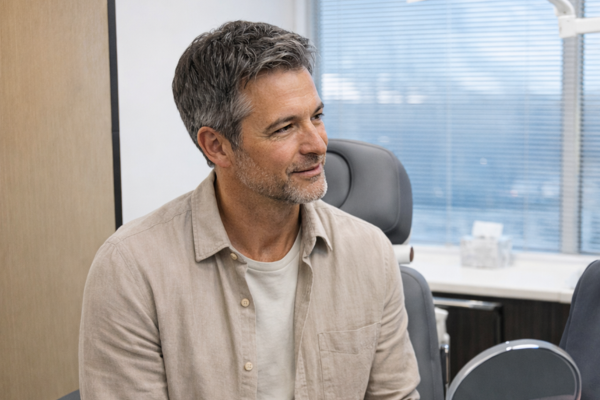
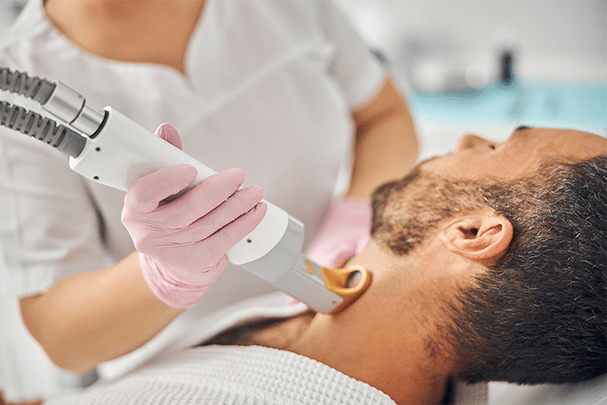
Middle-aged man with clear skin representing ideal photofractional treatment candidate in Austin

Pain Level: Mild to Moderate

Numbing cream is applied before treatment

Downtime: 2 to 7 Days

Redness and swelling peak early, then fade over the week

Sessions: 3 to 6

Scheduled about 4 weeks apart

Treatment Time: 60 to 90 Min

Plus about 45 minutes for numbing beforehand
*Individual responses may vary. Results are not guaranteed.

the revelus difference

  • refined

  • tailored

  • modern

  • genuine

Every procedure is performed with precision and care, focusing on results that look natural, not overdone.

No two patients are the same. Our board-certified dermatology team, woman-owned and serving Austin since 2014, takes time to understand your goals and build a treatment plan that fits you specifically.

We invest in proven technology and stay current with developments in cosmetic dermatology, so patients have access to effective, evidence-based options.

We tell you what works, what to expect, and what we honestly recommend, an approach that has earned a 4.8 star rating across more than 2,300 reviews. No pressure, no overselling, just straightforward guidance from providers who care.

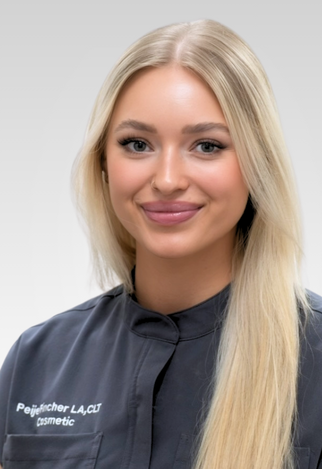
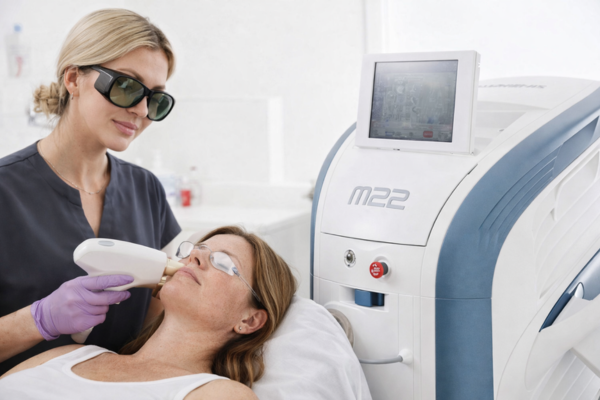
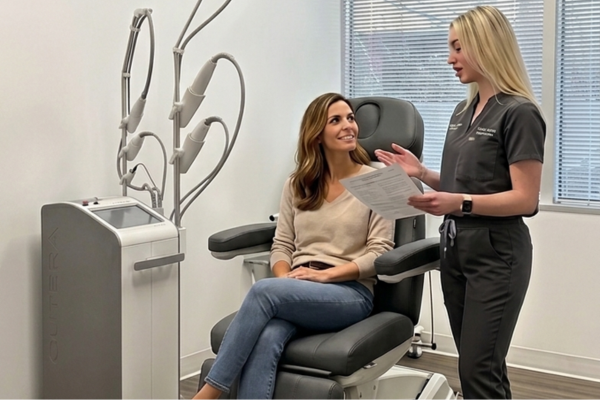
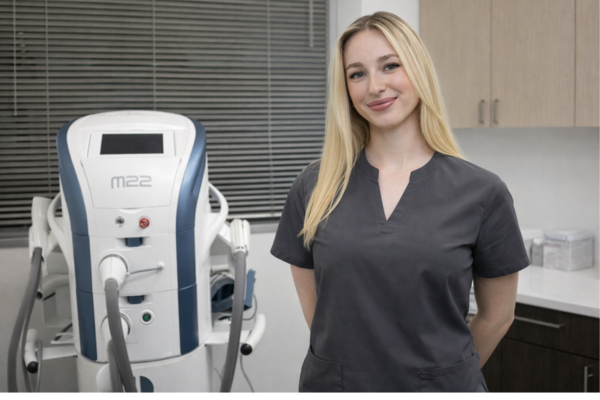
Aesthetic provider in gray scrubs standing beside M22 laser device in a modern dermatology treatment room in Austin

how photofractional laser treatment works

Photofractional treatment combines two proven laser technologies in a single session. Each phase serves a distinct purpose, and together they address a broader range of concerns than either treatment alone.

Two phases:

  • IPL phase: Intense pulsed light targets surface-level pigmentation, sun spots, redness, and vascular irregularities. The light energy is absorbed by pigment and hemoglobin, breaking down discoloration and improving overall skin tone. Treated spots typically darken first, then flake away over the following days.
  • Fractional laser phase: A non-ablative fractional laser creates microscopic channels in the deeper layers of the skin, stimulating collagen production and improving texture, fine lines, and mild scarring without removing the surface layer.

At Revelus Dermatology, photofractional treatment is delivered using the Lumenis M22 platform, which combines the OPT IPL module and the ResurFX 1565nm fractional laser module in a single system. The result is one session that addresses both tone and texture. Numbing cream is applied beforehand, and treatment takes about 60 to 90 minutes depending on the area.

photofractional laser treatment candidates

photofractional laser treatment candidates

Photofractional laser is a good fit for patients who want meaningful improvement in skin tone and texture without the extended recovery of ablative laser treatments. It works well for patients with early signs of aging, sun damage, or pigmentation concerns who prefer a non-ablative approach to skin rejuvenation. A consultation at our Austin office is required to confirm candidacy and determine the right treatment settings for your skin.

ideal candidates:

  • Want to address both skin tone and texture in a single treatment session
  • Have concerns related to pigmentation, sun damage, fine lines, or uneven skin tone
  • Are comfortable with several days of redness, swelling, and flaking as the skin heals
  • Can avoid sun exposure and tanning for about a month before and after treatment
  • Are open to maintenance treatments for long-term results
  • Are not currently pregnant or taking photosensitizing medications
  • Have not used isotretinoin (Accutane) within the past six months
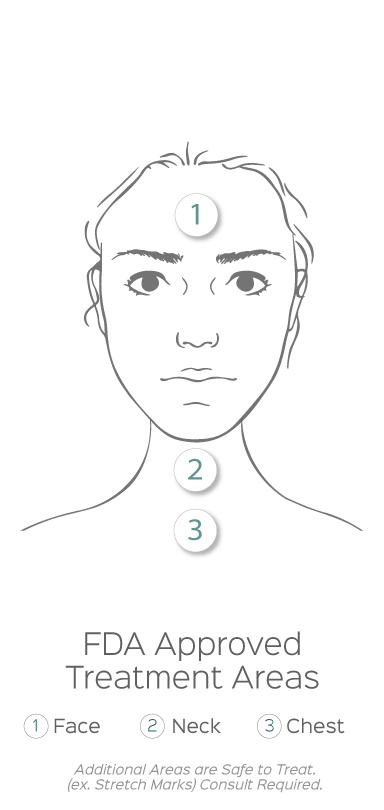
ResurFX non-ablative laser body treatment map
Photofractional consultation between provider and male patient in dermatology office in Austin

benefits of photofractional laser treatment

Photofractional laser delivers cumulative improvement to skin tone and texture without the extended recovery of ablative laser treatments. At Revelus Dermatology, every photofractional session is performed by a licensed provider using the Lumenis M22 platform, with settings customized to your skin type and goals.

  • Treats pigment and texture in the same session, rather than requiring separate appointments
  • Improves skin tone, clarity, and the appearance of sun damage
  • Stimulates collagen production for gradual, long-term improvement
  • Softens fine lines, uneven texture, and mild scarring
  • Results can last several years with periodic maintenance
  • Customizable settings tailored to your skin type and goals

photofractional vs. ipl: which is right for you?

Both photofractional laser and IPL Photofacial use intense pulsed light to improve skin tone, pigmentation, and sun damage. The difference is what happens next. Photofractional adds a fractional laser phase that IPL alone cannot deliver, making it the right choice when texture, fine lines, or collagen loss are part of the picture.

Photofractional Laser
TechnologyIPL + non-ablative fractional laser
Best at treatingTone, pigmentation, texture, and fine lines
Collagen stimulationYes, via the fractional laser phase
Treatment time60 to 90 minutes, plus numbing
DowntimeSwelling 2 to 3 days, redness fading by about day 7
Choose this ifYou want to improve both tone and texture, or address fine lines and early signs of aging alongside pigmentation
IPL Photofacial
TechnologyIPL only
Best at treatingTone, pigmentation, redness, and sun damage
Collagen stimulationMinimal
Treatment time30 to 45 minutes
Downtime1 to 2 days
Choose this ifPigmentation, redness, or sun damage is your primary concern and texture is not a factor

If you are unsure which option is right for you, your provider will evaluate your skin concerns and recommend the most appropriate approach during your consultation.

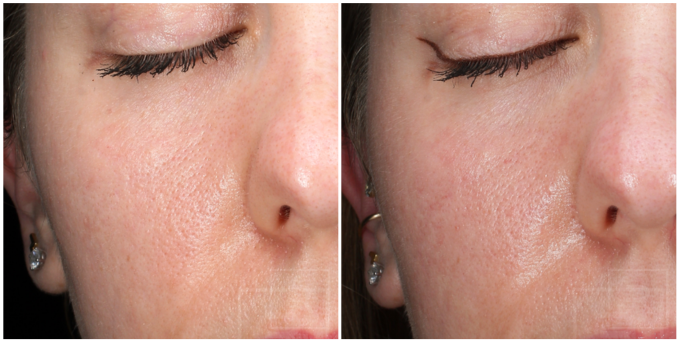
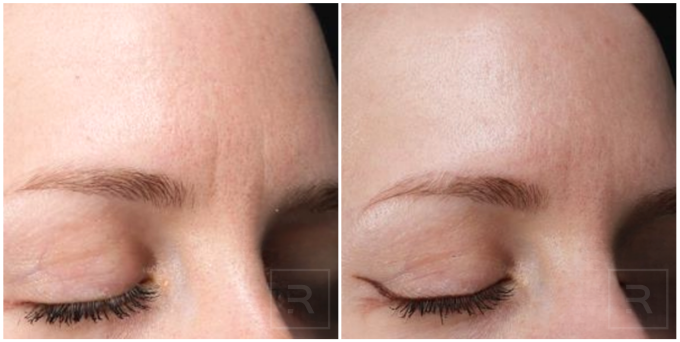
photofractional laser treatment before + after

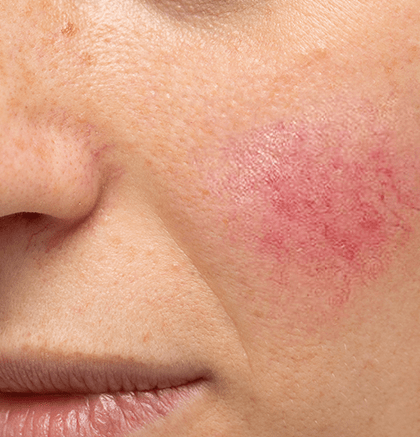
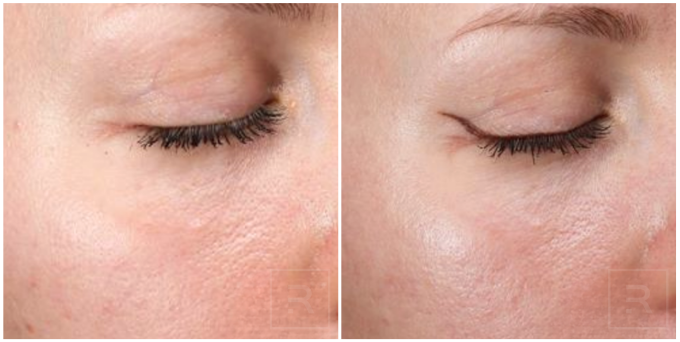
photofractional laser before and after for redness and skin texture
31 year old female
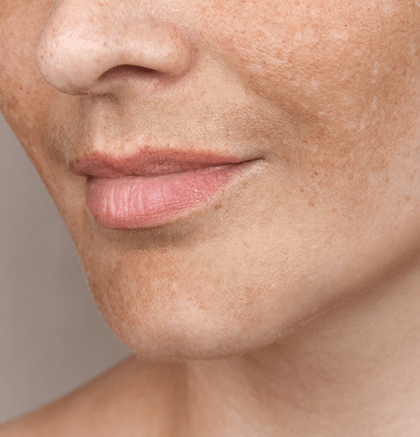
Skin texture and pore size treated with photofractional - Results after 15 weeks*
photofractional laser treatment improving pores and skin texture
31 year old female
Skin texture and pore size treated with photofractional - Results after 15 weeks*
photofractional laser before and after for skin texture and tone
31 year old female
Skin texture and pore size treated with photofractional - Results after 15 weeks*
View More
*Individual responses may vary. Results are not guaranteed.

what to expect

before your appointment

Avoid tanning, including tanning beds and self-tanner, for about a month before treatment, and do not wax, pluck, thread, or sugar the area for 2 weeks. Pause strong products such as retinoids or lightening agents about a week beforehand. Shave the treatment area the day before, not the day of. Arrive with clean, dry skin free of makeup, deodorant, lotion, and perfume, and plan to arrive about 45 minutes early so numbing cream has time to work. Wearing a button-down shirt is helpful, since you will not want to pull clothing over your face afterward.

during your treatment

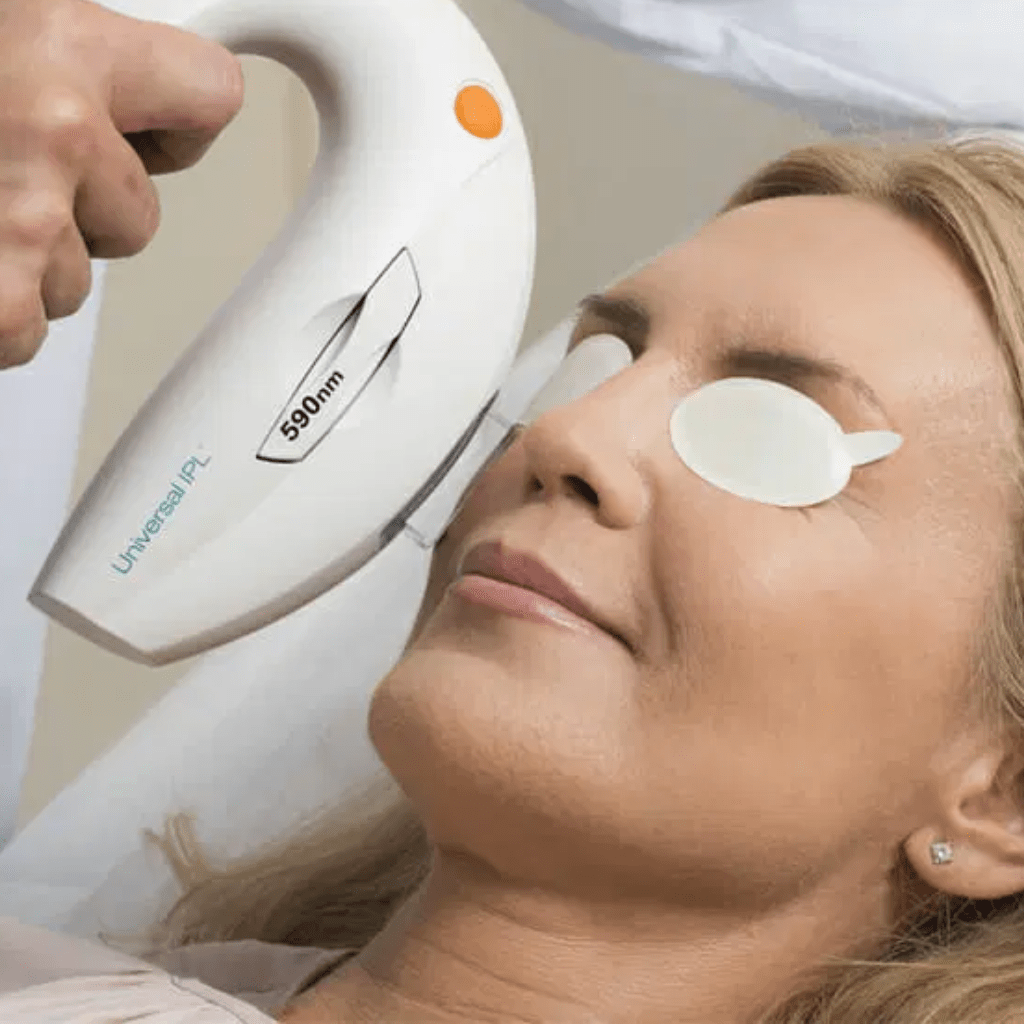
You will wear protective eyewear throughout the session. The IPL phase comes first, delivering pulses of light that target pigment and redness, followed by the fractional laser phase, which creates microscopic channels in the deeper layers of the skin to stimulate collagen. Most patients describe a warm snapping sensation, and cooling is used for comfort. The session itself takes about 60 to 90 minutes depending on the area, so plan for roughly two hours in the office including numbing.

the first week

Redness and swelling are expected on the day of treatment, and swelling is usually most noticeable the morning after before easing over 2 to 3 days. Treated spots often darken before flaking away, and skin may feel gritty or look slightly bronzed for several days. Do not pick, peel, or scrub flaking skin. Use a gentle cleanser and a bland, unscented moisturizer, and keep a zinc-based broad-spectrum SPF 30 or higher on any treated area that is exposed. Most redness fades within about a week, and a rosy glow can linger a few weeks longer. Hold off on makeup for the first couple of days, and wait on exercise, swimming, and anything that causes heavy sweating until your skin has healed.

your treatment timeline

Sessions are scheduled about 4 weeks apart, and most patients start with a series of 3 to 6 treatments. Improvement builds between sessions as pigment clears and new collagen forms, so the biggest change is usually visible a few months into the series rather than right after a single appointment. Once your series is complete, 1 to 2 maintenance sessions per year help sustain results, which can last several years with consistent sun protection.

Male patient seated in treatment chair during photofractional consultation in Austin dermatology clinic

photofractional laser treatment cost considerations

Most patients complete a series of 3 to 6 photofractional treatments, scheduled about 4 weeks apart. The number of sessions recommended depends on your skin concerns, baseline condition, and goals. After the initial series, 1 to 2 maintenance sessions per year help sustain results, which can last several years. Pricing varies based on the number of areas treated and the number of sessions in your plan, and package pricing is available. Your provider will give you a personalized estimate during your consultation.

  • Package pricing is available for patients completing a full series
  • Pricing depends on the number of areas treated
  • Maintenance sessions are typically 1 to 2 per year after your initial series
  • Not covered by insurance, as this is a cosmetic treatment
  • Financing is available through our third-party partners
  • Package pricing is available periodically through our specials

financing

Exceptional care should be within reach for everyone. That’s why we’ve pa...More
Exceptional care should be within reach for everyone. That’s why we’ve partnered with trusted financing providers...More

rewards + rebates

Enhancing your natural beauty should be rewarding. Explore our range of excl...More
Enhancing your natural beauty should be rewarding. Explore our range of exclusive rewards and rebate programs d...More

common photofractional laser questions

FAQ
how much does photofractional laser treatment cost in austin?

Pricing depends on the number of areas treated and the number of sessions in your plan. Most patients complete a series of 3 to 6 treatments, so photofractional is typically planned and budgeted as a full series rather than a single appointment. Package pricing is available, and your provider will give you a personalized estimate during your consultation.

what is the difference between photofractional laser and ipl photofacial?

Both use intense pulsed light to improve tone, pigmentation, and sun damage. Photofractional adds a non-ablative fractional laser phase that also improves texture, fine lines, and mild scarring by stimulating collagen. IPL alone is a good fit when pigment or redness is your only concern, and it involves less downtime.

how is photofractional laser different from fraxel?

Fraxel is a brand of fractional laser that treats texture and fine lines. Photofractional combines a fractional laser with IPL in one session, so it addresses pigment and texture together rather than texture alone. At Revelus, photofractional is performed on the Lumenis M22 platform using its ResurFX fractional laser module.

what skin concerns does photofractional laser treat?

It addresses sun damage, dark spots, uneven skin tone, redness, fine lines, enlarged pores, rough texture, and mild acne scarring. Because it combines two technologies, it can treat pigment and texture concerns in the same session.

is photofractional laser painful?

Numbing cream is applied about 30 minutes before treatment, and cooling is used during the session. Most patients describe a warm snapping sensation. Treatment takes about 60 to 90 minutes depending on the area, so plan for roughly two hours in the office including numbing.

what should i expect during recovery?

Redness and swelling are expected on the day of treatment, with swelling usually most noticeable the next morning and resolving within 2 to 3 days. Treated spots often darken before flaking away, and skin may feel gritty or look bronzed for several days. Most redness fades within about a week, and a rosy glow can linger a few weeks longer. Do not pick or scrub flaking skin.

how many treatments will i need, and how often?

Most patients start with a series of 3 to 6 treatments scheduled about 4 weeks apart. After the initial series, 1 to 2 maintenance sessions per year help sustain results.

how should i prepare for photofractional laser treatment?

Avoid tanning, including self-tanner, for about a month before treatment, and do not wax, pluck, or thread the area for 2 weeks. Pause strong products such as retinoids or lightening agents a week beforehand. Shave the area the day before, arrive with clean, dry skin, and plan to arrive about 45 minutes early for numbing.

what kind of results can i expect, and how long do they last?

Results build gradually as pigment clears and collagen rebuilds over the weeks following each session. With a completed series and annual maintenance, results can last several years. Daily broad-spectrum sunscreen is essential, since new sun damage will undo your progress.

is photofractional laser safe for all skin tones?

Treatment settings are selected based on your individual skin type. Because the IPL phase targets pigment, your provider will evaluate your skin tone carefully and may recommend a different treatment if photofractional is not the safest option for you. This assessment happens during your consultation.

the revelus commitment

Revelus Dermatology logo representing the practice’s brand identity
safety

We uphold the highest standards in cosmetic care, ensuring each treatment is performed with meticulous attention to safety and precision.

focus

Our commitment is to you. We carefully listen to your aesthetic goals, delivering personalized treatments that enhance your natural beauty while respecting your unique vision.

experience

With years of expertise in cosmetic dermatology, our team provides tailored, results-driven treatments designed to achieve the refined, natural-looking outcomes you desire.